The Sound’s Unique Ecology: A Northern Temperate Rainforest
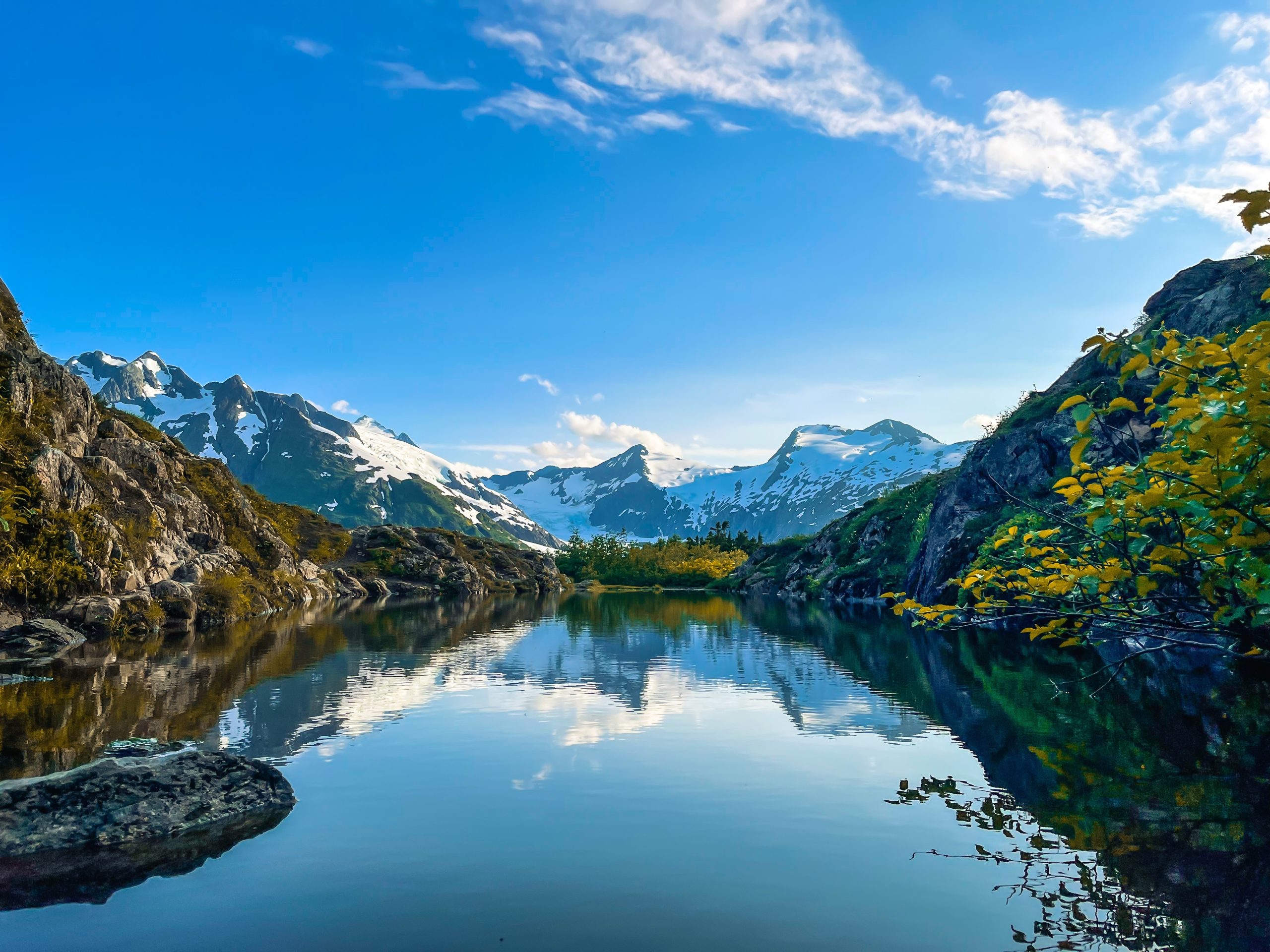
Prince William Sound is often called one of Alaska’s most stunning natural treasures, but its beauty goes beyond the scenery. Along the Gulf of Alaska, this area features a rare northern temperate rainforest where glaciers, forests, and marine life depend on one another. The ecosystem here shows just how connected nature is, making it a special place for eco-tourists and anyone who loves the outdoors.
What Makes a Temperate Rainforest and Why Prince William Sound Is Unique
A temperate rainforest gets lots of rain, stays cool, and is filled with evergreen trees. Unlike tropical rainforests, these forests grow in coastal areas with steady moisture and gentle seasonal changes. Temperate rainforests are rare around the world, and Prince William Sound is one of the best examples.
Here, plenty of rain and ocean mist help tall spruce and hemlock trees, thick moss, and many other plants grow. The ecosystem in Prince William Sound is shaped by both the weather and its closeness to glaciers and rich seas, so land and water are always affecting each other.
The Interconnected World of Glaciers, Forests, and Marine Life
One of the most interesting things about Prince William Sound is how its natural systems work together. Glaciers shape the land and send fresh, mineral-rich water into the Sound, which helps plankton grow. The plankton feed fish, and those fish become food for seabirds, marine mammals, and other animals along the coast.
The forests also gain from this system. Animals bring nutrients from the sea to the land, which helps plants grow even in tough conditions. This ongoing exchange between glaciers, forests, and marine life keeps the ecosystem healthy and balanced.
Why the Salmon Run Matters So Much
Few natural events are as important or as amazing as Alaska’s yearly salmon run. Every year, salmon swim back from the ocean to their home streams in Prince William Sound to lay eggs. This journey supports the whole ecosystem.
Salmon are a key food for bears, eagles, river otters, and many other animals. After they spawn, their bodies add nutrients from the sea to the forest soil, which helps plants and insects thrive. The health of Prince William Sound depends on these salmon runs, making them essential for local wildlife and the ecosystem’s strength over time.
Protecting the Region Through Chugach National Forest
A large part of this special area is protected by the Chugach National Forest, one of the biggest in the country. Covering coastlines, glaciers, and thick rainforest, the Chugach helps protect habitats and keep the ecosystem healthy. This place means a lot to Alaskans and welcomes visitors to enjoy its wild beauty.
Protected lands limit development, support wildlife corridors, and ensure that future generations can experience the richness of Alaska’s temperate rainforests. Conservation efforts here help sustain clean waterways, healthy forests, and thriving marine ecosystems throughout Prince William Sound.
Preserving the Sound Through Responsible Tourism
As interest in Alaska ecology continues to grow, responsible tourism becomes more important than ever. Visitors can help protect Prince William Sound by respecting wildlife, minimizing environmental impact, and supporting conservation-minded experiences.
Choosing educational excursions, following Leave No Trace principles, and learning about the interconnected nature of this northern temperate rainforest all contribute to its preservation. By traveling thoughtfully, visitors play a role in ensuring that the Sound’s unique ecology remains vibrant, wild, and inspiring for years to come.
Ready to begin your Alaska adventure? Book now to reserve a spot with us.
Image credit: Wirestock Creators