The Living Ice: Understanding the Glaciers of Prince William Sound
Visiting Prince William Sound lets you see some of Alaska’s most impressive glaciers up close. Here, travelers, geology fans, and nature lovers can watch huge rivers of ice move, crack, and change the landscape right before their eyes.
Ever wondered how glaciers form? Discover the science behind how they grow and move, and see what makes Alaska’s glaciers so powerful as they shape the land and sea.
Types of Glaciers in Prince William Sound
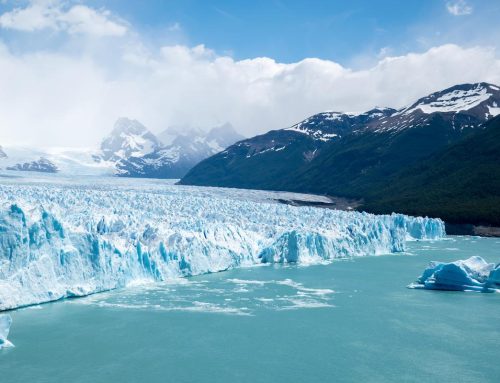
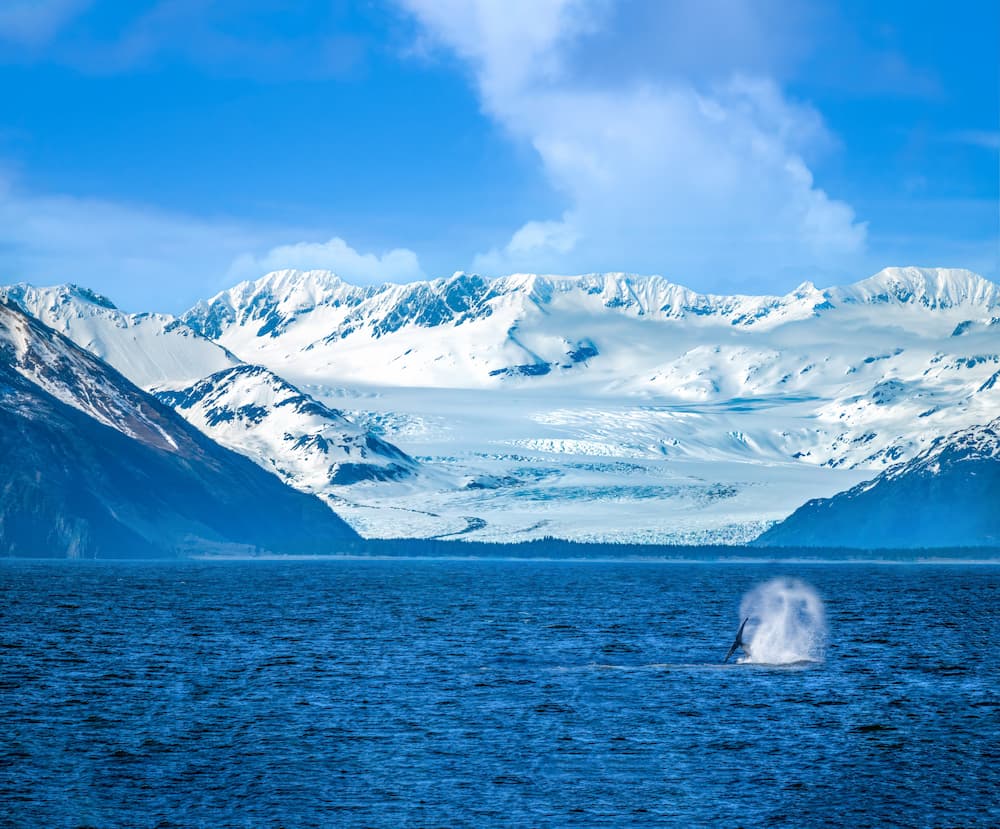
Prince William Sound is home to many different types of glaciers. Some, like tidewater glaciers, reach the sea and carve out deep fjords with dramatic icefalls. Cirque glaciers sit high in mountain bowls, while valley glaciers wind through long channels shaped by centuries of movement. Well-known glaciers here include Harvard Glacier, famous for its miles wide ice face, and Blackstone Glacier, known for its tall ice face and surrounding waterfalls.
How Are Glaciers Formed?
Glaciers start when layers of snow pile up year after year, getting packed down until they become dense and heavy, like pressing down a stack of laundry. As more snow falls, the weight turns the lower layers into solid ice. Gravity then pulls this ice downhill, causing it to move slowly but with great force. In Alaska, the cold and heavy snowfall helps this process happen faster, leading to the creation of large glaciers.
Fascinating Glacier Features
Glaciers are always changing and have many interesting features. Crevasses are deep cracks that form as the ice bends and stretches, looking like natural ice sculptures. Moraines are piles of rocks and debris left behind, showing where the glacier has traveled. When glaciers calve, large pieces of ice break off into the sea, creating an exciting show. In Prince William Sound, Harvard Glacier often calves, giving visitors a memorable experience.
Prince William Sound Glacier Facts
Check out these facts about Prince William Sound’s glaciers to see just how active and powerful they can be.
Here are some interesting facts:
– Many glaciers in the Sound move several feet per day, slowly carving the valleys they fill.
– Tidewater glaciers such as Blackstone and Harvard calve icebergs year-round.
– Glacier ice appears deep blue because compressed snow absorbs all colors of light except blue.
– Some glaciers in the region formed more than 10,000 years ago, long before modern Alaska existed.
Glacier Glossary
Glaciers have many moving parts, and knowing these terms can help you get more out of your visit to Prince William Sound.
– Calving: Large slabs of ice breaking off the glacier’s face and plunging into the water.
– Moraine: Rock and sediment that a glacier picks up and pushes into long ridges along its sides or end.
– Crevasse: A deep, narrow crack that forms when the glacier bends, stretches, or shifts.
– Tidewater Glacier: A glacier that flows all the way to the ocean and releases icebergs directly into the sea.
– Cirque: A bowl-shaped hollow high in the mountains where a glacier begins forming.
– Firn: Dense, compacted snow that sits between fresh powder and solid glacier ice.
– Terminus: The end of a glacier, also called its “toe,” where melting or calving usually happens.
– Blue Ice: Deeply compressed ice that absorbs red light and reflects blue, creating the glacier’s vivid color.
– Icefall: A steep, cascading section of a glacier where crevasses form quickly as the ice moves downhill.
Discover the Glaciers of Prince William Sound With Phillips Cruises & Tours
The scenery is even more amazing when you can spot features like crevasses, moraines, and calving ice. Now that you know how glaciers form and move, you’ll be able to enjoy your time in Prince William Sound even more. Every glacier has its own story, shaped by old snowfall, strong natural forces, and the steady movement that makes Alaska’s coast unique.
With Phillips Cruises & Tours, you can get up close to these amazing glaciers. Our tours let you hear the ice crack, see tidewater glaciers release icebergs, and take in the huge landscapes shaped over thousands of years.
If you want to see these glaciers up close, contact us at Phillips Cruises & Tours to book your trip today.
Image credit: // Shuterstock // LouieLea